Most homeowners just consider the structure when a door sticks or a fracture appears in the drywall. By the time you can see a signs and symptom, the structure has currently been under stress for a while. That does not indicate you are headed for disaster. It does suggest you need to pay attention, gather realities, and, when the signs direct this way, generate a professional for a proper examination. After twenty years in residential foundations, I have seen tiny problems remain tiny with prompt fixes, and I have also seen minor signs and symptoms overlooked till they called for hefty devices and a finance to deal with. The distinction is usually a call made a few months earlier.
Before we enter into the five red flags, it aids to comprehend what drives structure motion. Soils expand and contract with dampness, temperature level, and load. Clays swell when wet and shrink when completely dry. Sands do not swell, but they can rinse or wear down. Frost heave in cool environments can raise shallow elements seasonally. Tree origins draw dampness erratically, leaving one side of a home drier and lower. Poor water drainage focuses water along a wall. Include time and weight, and you have a dish for unequal negotiation or heave. Your house responds with cracks, distortion, and water pathways. Your job is to separate aesthetic changes from structural https://dantecqdw527.tearosediner.net/3-things-you-should-know-before-calling-for-foundation-repairs-a-homeowner-s-guide distress, after that act accordingly.
A quick scan you can do today
I am not a follower of alarmism, however I am a big follower of educated observation. If you can answer yes to 2 or more of the things below, you need to set up a foundation inspection instead of wait for the following stormy season.
- Wider than hairline fractures in indoor drywall that grow or reopen after repair Doors or windows that bind, scrape, or no more lock that utilized to function fine Floors that feel out of level or bounce near walls, specifically over crawl spaces Water intrusion at the base of cellar wall surfaces or along slab edges after rain Exterior stair-step fractures in block or block, or voids opening in between trim and siding
Now let us dive deeper right into the top five warnings and what they inform you.
Red flag 1: Splits that speak back
Every residence gets a couple of cracks. Concrete reduces as it cures, and drywall joints telegraph mild structure motion. The question is whether a fracture is secure or active. Hairlines in slabs typically measure under 1/16 inch and do not transform. I note them on a date, break a picture with a coin for scale, and neglect them unless they grow. The fractures that make me grab my calendar are wider, have variation, or repeat after aesthetic repair.
On insides, angled splits that range from the corner of a door or window toward the ceiling or flooring frequently suggest racking from differential negotiation. A vertical fracture tidy through a cellar wall surface can suggest soil pressure is going beyond the wall surface's capacity. On exterior brick or block, a stair-step pattern that expands towards one end usually points to a ground that has gone down on that side. I as soon as determined a void of 3/16 inch at the broad end of a stair-step split on a 1960s ranch. The house owner had patched it 3 times over two years. Each time it resumed within months, constantly after a rainfall. A downspout was releasing right where the crack started, softening clay and weakening the footing. Rerouting water aided, yet we still set up three helical piers to maintain the wall due to the fact that the soil had already consolidated unevenly.
Here is a straightforward rule: if you can put a nickel into a split or you see one side greater than the various other, it deserves an expert's eyes. A foundation repair service professional will certainly map the fractures, step floor elevations across your house, and link the pattern to most likely causes. That is much more dependable than presuming from a solitary photo.
Red flag 2: Doors, windows, and cut that head out of square
Sticking doors are not always architectural. Occasionally paint on the brink swells with moisture, or a hinge loosens up. Check that initially. But if you fix the hinge and cut the door and it binds again in a season, you are probably chasing after the sign, not the resource. Timber mounting redistributes when the structure listed below changes. You will see daytime at one mitered corner of a window, while the opposite edge is limited. You might measure an eighth of an inch extra elevation on one jamb than the various other. Baseboards different from floors on one side of a room or crown molding opens up at the corner.
These are classic signs of differential negotiation. I had a two-story with a crawl room on one side and a slab-on-grade addition on the various other. The crawl space side dried out more challenging each summertime due to a large oak, while the piece side entraped dampness after heavy rainfall. Doors on the completely dry side stuck in August. Doors on the piece side stuck in March. The owner had actually called a carpenter 3 times in 4 years. The solution was not woodworking. We installed 2 under-slab press piers at the enhancement and included an origin barrier and soaker timetable along the crawl side to even out seasonal moisture. When the foundation stopped vacating sync, the doors behaved.
If seasonal adjustment clarifies a pattern, you may adjust dampness monitoring initially, then reassess. But if doors that benefited years suddenly bind and you are not in a humidity swing, obtain a structure repair work near me browse going. Fast movement is not typical aging.
Red flag 3: Floors that incline or bounce
If you have ever set a marble on your kitchen area floor and saw it roll to an edge, you have an incline. A little pitch spread over a big room is hard to discover till closets stop straightening or people journey near thresholds. In cellars, a floor that splits and drops away from the base of a wall recommends soil settlement below the piece. In crawl areas, drooping or jump typically traces to moisture damaging joists, girders, or piers instead of footing negotiation alone.
I crept under a 1930s bungalow where the proprietor swore the structure had actually fallen short. The living room pitched toward the facility and the kitchen floor really felt resilient. The concrete border wall and ground were great. The problem was rot where an old air duct had leaked for several years. 2 primary girder spans had actually deflected nearly half an inch under tons. The cure there was structural - sistered joists, brand-new flexible steel posts on correct pads, and an evaporated, secured crawl space. That is where crawl room encapsulation pays off. When you envelop a crawl room correctly - hefty vapor obstacle, secured vents, taped joints, insulation where suitable, and a devoted dehumidifier - wood stops cycling dampness. Floorings really feel strong once again, and you safeguard the framework that rests on your foundation.
Slab floors that slope need a various analysis path. We take altitude analyses with an electronic degree or zip degree at grid factors across the home. A bowl shape near the center could indicate dirt consolidation under interior load, while an incline toward an exterior corner often shows side settlement. If you see 1 inch of drop over 20 feet, that is visible but not disastrous. At 1 inch over 10 feet, closets battle you, and a fix ends up being a quality-of-life concern in addition to a structural one. Lift options for slabs include push piers or helical piers at the perimeter and, in many cases, piece base or compaction grouting. The appropriate choice depends on soil profile and access.
Red flag 4: Water where it need to not be
Water is the number one enemy of foundations. It softens clay, erodes sand, includes hydrostatic pressure, and locates every path you offer it. If your basement leakages throughout a normal rain, there are three basic paths for water: through a fracture, over the top of a ground, or up from under the slab due to a high water table.
I have actually seen house owners chase after indoor crack shots for years without taking care of the exterior grading that sends water at the wall surface. Interior repair work have their place, and polyurethane injections work well to secure a details crack. But if you can stroll your yard during a tornado and watch water sheet towards a foundation, the leak will ultimately find a new course. Rain gutters, downspouts extended a minimum of 6 to 10 feet, and dirt that slopes away at a half inch per foot for the first 6 to 10 feet do more for several cellars than any kind of epoxy.
When water rises from the floor-wall joint or through the piece, you are likely dealing with hydrostatic stress. Interior basement waterproofing systems that accumulate water at the footing and pump it away work in that circumstance. In homes where the basement wall bows from side dirt pressure, the top priority shifts to relieving stress and stabilizing the wall surface with carbon fiber bands or wall anchors, after that managing water. A structure fixing specialist who likewise recognizes basement waterproofing will series the work so you do not catch water versus a weak wall.
In crawl areas, persistent wetness appears as musty smell, condensation on ducts, mold on joists, or rusting bolts. A wet crawl weakens your foundation two methods: it invites timber decay and it swings moisture content across periods, which relocates framework. The solution is to encapsulate crawlspace locations that can not stay dry with ventilation alone. A full encapsulation - frequently phoned call to encapsulate crawl area or even seen inaccurately as encapsulated crawl.space in searches - is not just plastic on dirt. It is securing every joint and infiltration, shielding rim joists where needed, setting an actual drain path if groundwater exists, and setting up a dehumidifier sized to the quantity. Do that and you typically resolve minor flooring concerns without touching the concrete.
Red flag 5: Exterior indication you can identify from the driveway
A structure telegraphs distress to the outside. Seek a smokeshaft that has retreated from your house, a void opening where a veranda fulfills the major framework, or a noticeable tilt in a maintaining wall surface that keeps back a higher yard. Chimneys, with their focused weight, often settle faster than the adjacent residence and can produce a hazardous lean. A porch that settles in a different way from the main home splits the roof or opens up a void that channels water inside the wall.
I was phoned call to a two-story brick with an attractive front stoop. The stoop had sunk an inch and a half far from the major wall, opening up a triangular gap at the mortar joint. Water encountered that void throughout storms and right into the completed basement under. The owner had caulked the joint twice. Caulk can not combat gravity. We installed 2 tiny helical piles under the stoop, raised it back to level, and added an appropriate flashing detail where the stoop satisfied the wall. The fix closed the water course and stabilized the outside aspect without touching the house foundation.
On siding and trim, look for voids opening up at edges or where straight trim satisfies upright items near the structure line. Those splittings up frequently accompany settlement at a particular edge of the structure. You can confirm with a long level on the initial course of brick or by spotting along a line of mortar. If one edge drops, the line will dip noticeably over a short range. Then, a look for structure fixings near me is not early. The quicker you obtain eyes on it, the much less lift you might need.
What an excellent structure examination looks like
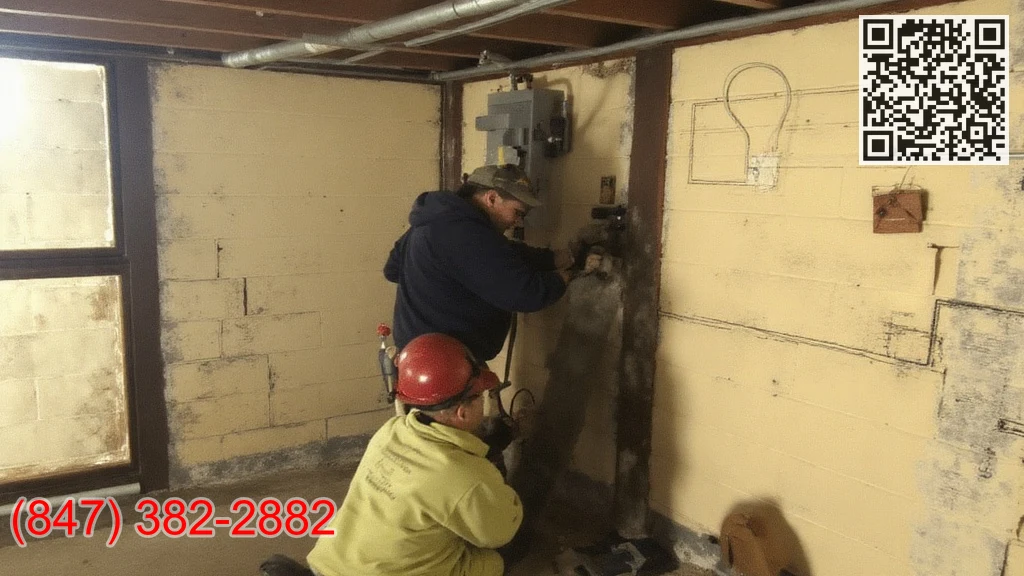
Calling a professional ought to not really feel like turning over your purse. Expect an organized analysis, not a sales pitch. A respectable firm will ask about history - when you saw adjustments, whether they are seasonal, what repair work have been tried. They will measure interior floor altitudes at a loads or even more factors, map fracture areas, and examine plumbing for leaks in slab homes. Outside, they ought to examine water drainage, downspouts, grading, and tree closeness. In cellars, they will try to find wall surface deflection with a plumb bob or laser and test for dampness entry points. In crawl areas, they will inspect pier spacing, beam of light condition, and loved one humidity.
The goal is to match symptoms to cause. If you hear a one-size-fits-all prescription in the very first ten mins, beware. For instance, piers are excellent for deep foundation support where bearing strata are down far sufficient and dirts near the surface are unreliable. They are not the ideal tool for a bowed basement wall surface caused by lateral stress, which needs reinforcement and drainage relief. Foam piece lifting can elevate resolved walkways and garage pieces, but it will not stabilize a border footing that keeps sinking. Cellar waterproofing fixes water entrance, but it does not take care of negotiation. Crawl space encapsulation handles dampness and air high quality, yet it will certainly not lift a residence that has currently gone down. Many homes take advantage of a combination, sequenced correctly.
Costs, trade-offs, and how to believe in phases
Homeowners request for a ball park before we even set a consultation. Fair inquiry. Structure repair prices differ commonly with scope and accessibility. A straightforward crack injection might be a couple of hundred dollars per split. A helical pier or push pier can range from approximately 1,200 to 3,000 dollars per pier relying on area and load. An average solitary edge stabilization could utilize three to five piers. Cellar waterproofing with an indoor drain and sump pump often drops in the 5,000 to 15,000 dollar array for a typical basement, much more for large footprints or complicated linkups. A full crawl area encapsulation with a quality vapor obstacle, sealing, and a dehumidifier usually ranges from 5,000 to 12,000 dollars depending upon square video footage and obstacles.
Trade-offs issue. If a home has small negotiation at one corner and inadequate drainage, I typically suggest repairing the drain first, then monitoring for a period. If activity stops, you could avoid piers. If a cellar wall surface is bowing an inch and still moving, I prioritize architectural stablizing before indoor finishes or cosmetic crack repair. Waterproofing without alleviating dirt stress on a noticeably bowed wall surface is backwards. In crawl rooms, encapsulation often pairs with discerning architectural work like adding messages or sistering joists. Doing encapsulation first can make later architectural work unpleasant, so plan the sequence.
Think in phases when budget is limited. There is nothing wrong with a tiered method: stage one drain and seamless gutters, stage two structural stablizing where required, stage three aesthetic repairs and finishes. A good professional will aid you rate threat and return.
Prevention beats repair, and it is not complicated
Foundations move most when water is mishandled. The essentials stop a huge share of troubles. Keep seamless gutters tidy, and make use of downspout extensions that obtain water faraway from the foundation. Regrade where soil has resolved along your house so it loses water. Set irrigation to water landscape beds, not the foundation line. If you have big trees within 10 to 20 feet of the foundation in extensive clay regions, take into consideration root barriers or a consistent moisture strategy to reduce seasonal swings. In cold climates, keep exterior drains clear before freeze to prevent frost buildup pressing versus walls.
Inside, watch loved one moisture in cellars and creep rooms. Under 60 percent is a great target for timber and interior air high quality. If your cellar smells musty each springtime, you probably require air flow monitoring or dehumidification, not just fragrance. If you step into a crawl area and it seems like a greenhouse, the wood is consuming alcohol in and giving off dampness every day. That cycle telegrams to your floors and doors.
How to pick the best pro when you browse foundation fixing near me
Type that phrase and you will certainly see a collection of business assuring long-term fixes. Irreversible is a strong word in dirt, and you should penetrate what it suggests. Ask just how they investigate, what dimensions they take, and whether they call for the work against future movement. Guarantees vary. A pier guarantee on a specific edge is not the like a blanket warranty on the entire framework. If a bid consists of 10 piers however the data reveals motion at just one corner, ask why. If you are offered basement waterproofing yet you have no leak background and all your symptoms are structural, examine the match.
Local experience matters. Foundations react in a different way in loess versus antarctic till versus expansive clay. A service provider that works your soil kind daily will anticipate behavior and pick the best depth or size for piers. If your home rests over fill, you desire somebody who understands how deep to get to experienced strata. If your area sees a high water table each springtime, you want a person who makes sump discharge paths that do not freeze.
Referrals from next-door neighbors on your road carry weight since the dirt under your residences is comparable. Pictures and elevation maps from the analysis make conversations concrete. A great pro describes not just what they suggest, yet what they are selecting not to do and why.
What to do before you call a structure repairs near me expert
Doing a little homework sharpens the browse through and can conserve you time.
- Document signs with days, images, and harsh dimensions where possible Monitor cracks with a pencil mark or tape scale to see if they change over weeks Control obvious moisture resources by prolonging downspouts and fixing grading Check for pipes leakages, particularly in piece homes, prior to or throughout evaluation Locate energies and think about asking for marking if exterior digging might be involved
Bring that to the consultation, and the conversation changes from general to particular. It also makes it less complicated to compare suggestions if you get two or 3 opinions.
Where cellar waterproofing and crawl space encapsulation suit structure repairs
The ideal foundation fixing approaches typically include taking care of water and moisture. You support the framework and you eliminate the forces that would press it once again. For basements with chronic infiltration at the cove joint, an indoor drain tile system with a sump and battery back-up pump keeps water out of completed spaces. Exterior excavation and waterproofing membrane layers are effective also, however they set you back even more and require access that many metropolitan whole lots do not have. Inside systems do not stop water from getting to the wall surface, but they maintain it from reaching your carpeting and drywall. In mix with outside grading and downspout work, they are a useful choice.
Crawl spaces are various. Airing vent a crawl area can bring in humid air that condenses on trendy surfaces. That dampness climbs into joists and subfloors. Encapsulation turns the crawl right into a regulated area. When you encapsulate crawl area locations, choose a vapor barrier at least 12 to 20 mil thick, mechanically fastened to walls, with all joints taped. Seal around piers and penetrations. Set up a dehumidifier sized to the cubic video footage, and, if groundwater exists, include a border drainpipe to a sump before sealing. The benefits are better indoor air, less mold threat, and, pertinent right here, calmer framing that quits moving with the climate. Great encapsulation is part of foundations repair near me conversations because it lowers the hidden forces on the structure.
A few edge cases to keep in mind
Not all fractures are structural. A slim, straight hairline in a garage slab that runs along a saw cut is a control joint doing its job. Cosmetic mortar splits in a block veneer without variation may be from thermal growth as opposed to settlement. On the flip side, a drywall fracture that hides behind a tall cabinet could be the idea of a bigger issue you only see when you move furniture. If doubtful, action and monitor.
Earthquakes and blowing up can trigger sudden modifications unassociated to water or soil kind. After a seismic occasion, little fractures can show up simultaneously throughout numerous walls. The pattern helps differentiate them from settlement, which often tends to focus at edges and along tons paths. If your home remains on a hillside, lateral pressures and incline security include another layer of evaluation. Retaining walls that bow or lean are advising signs. They can fall short without much notification once motion accelerates.
Finally, block and rock smokeshafts bear heavy concentrated tons. A fifty percent inch lean over 10 feet may be within resistance. A noticeable separation from the home siding on a two-story must prompt immediate examination, particularly if you see water entrance at the void. Smokeshaft stabilization commonly utilizes dedicated helical heaps and brackets, separate from the primary home work.
When you ought to grab the phone
If your symptoms are isolated, tiny, and steady over a year, record them and carry on. If they are increasing, expanding, or tied to water that you can not manage with easy drain solutions, call a pro. If a basement wall bows or you see a chimney separating, do not wait. A quick analysis can prevent a bigger treatment later.
Search terms like structure fixing near me or foundation fixings near me will certainly appear local specialists. Include basement waterproofing or crawl room encapsulation if those symptoms are front and facility. Review evaluations, yet likewise read exactly how companies reply to laborious. Request a duplicate of the altitude map and their load calculations for piers if recommended. A clear proposal, clear extent, and a strategy that attends to domino effect are what you want.
Foundations are not fixed. They reply to the atmosphere you give them. Manage water, watch on change, and companion with a skilled service provider when the warnings add up. Tiny, prompt actions currently almost always cost much less than brave actions later.
 Ask ChatGPT
 Ask Grok
 Ask Perplexity
 Ask Claude
 Ask Google AI
 Ask You